10 Actionable Social Media Strategy Example Breakdowns for 2026
Discover your next winning social media strategy example. We break down 10 actionable strategies with tactics you can replicate for massive growth today.
Tired of generic advice and chasing fleeting trends? A winning social media presence isn't built on luck or viral moments; it's engineered with a clear, replicable strategy. To prove it, we're moving beyond surface-level success stories to dissect the exact mechanics behind explosive and sustainable growth. This guide provides a deep dive into proven social media strategy examples, breaking down the specific objectives, tactics, and KPIs for a variety of common business models and niches.
Whether you're a creator building a personal brand, an e-commerce store driving sales, a local service business seeking clients, or a B2B marketer generating leads, you'll find actionable blueprints here. These are not just case studies; they are strategic playbooks designed for you to adapt and implement immediately. We’ll analyze everything from multi-platform content repurposing and niche community building to leveraging AI for faceless content creation and optimizing posts for social search. Understanding the foundational elements is key; to truly deconstruct these effective social strategies, it's essential to stay updated on the latest social media best practices.
Each social media strategy example below is a comprehensive breakdown, offering a behind-the-scenes look at what it takes to succeed. We will cover:
Objectives & Target Audience: Defining the "why" and "who."
Content Pillars & Channel Mix: Structuring content and choosing the right platforms.
Platform-Specific Tactics: Real post examples and execution details.
Measurement & KPIs: How to track success and prove ROI.
Get ready to move from theory to execution with practical insights that drive real, measurable results for your brand or business.
1. Content Batching and Bulk Creation
Content batching is a powerful social media strategy example that prioritizes efficiency and consistency. Instead of the chaotic daily scramble to create and post content, batching involves dedicating focused blocks of time to produce multiple pieces of content at once. This approach streamlines your entire workflow, from ideation and scripting to filming and editing, allowing you to create weeks or even a month's worth of content in just a few sessions.
The core principle is to group similar tasks together. One day might be dedicated to topic research and outlining, another to filming all your video clips, and a third to editing and writing captions. This minimizes context switching and keeps you in a state of deep work, leading to higher-quality output in less time.

Strategic Breakdown and Application
This strategy is particularly effective for creators and businesses managing multiple platforms. For instance, a YouTuber like Ali Abdaal might film four long-form videos in a single day. A digital marketing agency will dedicate the first week of the month to creating and scheduling all client content for the next 30 days. This proactive approach ensures a consistent posting schedule, which is crucial for audience engagement and algorithm favorability.
Key Insight: Batching transforms social media management from a reactive, daily chore into a proactive, strategic operation. It frees up mental energy to focus on community engagement and analyzing performance data rather than constantly worrying about what to post next.
Actionable Takeaways
To implement this social media strategy example effectively, follow these steps:
Plan Your Batch: Dedicate a 4-hour block in your calendar. Use this time to plan content for the next two weeks around 2-3 core topics. For example, a fitness coach could plan one week around "Beginner HIIT Workouts" and the next around "Meal Prep Ideas."
Create in Bulk: Film 5-7 short-form videos in a single session, changing your shirt for each to create visual variety. Or, design 10 graphics in Canva using a set of pre-made templates.
Leverage AI for Speed: For maximum efficiency, tools like NicheTrafficKit’s AI can generate dozens of platform-specific post variations, including captions and hashtags, from a single topic. This automates the most time-consuming parts of the process.
Schedule Everything: Use a social media scheduling tool to queue up your batched content for the next two weeks, ensuring it’s published at optimal times for each platform.
Analyze and Repeat: At the end of the two weeks, review your analytics to see which batched posts performed best. Use these insights to inform your next content batching session.
2. Viral Trend Hijacking and Real-Time Engagement
Viral trend hijacking is a social media strategy example that prioritizes agility and cultural relevance. Instead of sticking rigidly to a content calendar, this approach involves actively monitoring and rapidly capitalizing on emerging trends, viral sounds, memes, and real-time news. The goal is to insert your brand into ongoing conversations, leveraging the momentum of a trend to gain exponential reach and visibility.
This strategy requires a "newsroom" mentality, where speed and authenticity are paramount. When a brand like Wendy's roasts a competitor on Twitter in response to a live event, or a creator like MrBeast uses a trending TikTok sound in a YouTube Short, they are hijacking attention. This method allows brands to appear human, current, and connected to their audience's world.
Strategic Breakdown and Application
This strategy thrives on speed and relevance. A B2B brand on LinkedIn might create a quick analysis post in response to major industry news, capturing the attention of professionals discussing the topic. Similarly, a fashion e-commerce store can quickly create a TikTok video showcasing products that align with a new "aesthetic" trend, like "coastal grandmother" or "cottagecore," a few days after it goes viral.
Key Insight: Trend hijacking transforms your social media from a monologue into a dynamic dialogue with culture. It shows your audience that you're not just broadcasting messages but are an active, aware participant in the same online world they inhabit.
Actionable Takeaways
To implement this social media strategy example without sacrificing brand identity, follow these steps:
Monitor Relentlessly: Spend 15 minutes each morning scrolling the "For You" pages on TikTok and Instagram Reels to identify trending audio and formats. Use Twitter's "Trending" tab to spot relevant conversations.
Act Within Hours: When you spot a trend, ask: "Can I create a version of this in under 60 minutes?" The window of opportunity is often small. Aim to create and post your take the same day to maximize impact. For capitalizing on these real-time opportunities, understanding How to Make a Video Go Viral is an invaluable skill.
Maintain Brand Alignment: Only jump on trends that align with your brand's voice and values. If you're a serious financial advisor, a silly dance trend might not be the right fit, but a trending sound about "bad money habits" could be perfect.
Create Trend Templates: Have 2-3 content templates ready (e.g., a simple video format where you point to text, a graphic template) that can be quickly adapted with new trending audio or text.
Mix Planned and Reactive Content: Aim for a 70/30 split. 70% of your content should be planned and on-brand, while 30% can be reserved for reactive trend hijacking. This maintains a consistent brand message while allowing for spontaneity.
3. Multi-Platform Content Repurposing
Multi-platform content repurposing is a social media strategy example designed for maximum reach and efficiency. The core idea is to take one significant piece of "cornerstone" content, like a long-form video, webinar, or blog post, and strategically adapt it into multiple formats tailored for different social media platforms. This approach transforms a single creation effort into a full-scale content campaign, populating your channels with consistent, high-value material.
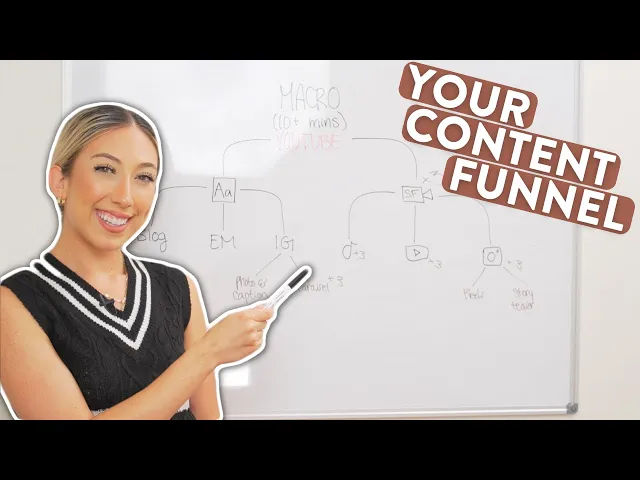
Instead of creating unique content from scratch for every platform, you deconstruct a core asset into its most compelling components. A 10-minute YouTube video can become five short-form TikToks, three Instagram Reels, a detailed LinkedIn carousel post, and a series of quote graphics for Twitter. This ensures you are present where your audience is, without burning out from constant content creation.
Strategic Breakdown and Application
This strategy is famously championed by entrepreneurs like Gary Vaynerchuk, who atomizes his keynote speeches and daily vlogs into dozens of content pieces distributed across every relevant platform. For an e-commerce brand, this might look like taking a single product demonstration video and turning it into a fast-paced Instagram Reel, a problem-solving TikTok, and a high-quality Pinterest Pin. The key is adapting the format and messaging to fit the context of each platform, rather than just cross-posting the same file.
Key Insight: Repurposing isn't just about saving time; it's about maximizing the value of your best ideas. It allows you to test which angles and formats resonate most on each platform, amplifying your message and extending the lifespan of your content.
Actionable Takeaways
To effectively implement this social media strategy example, follow these steps:
Identify Cornerstone Content: Designate one major piece of content per week or month (e.g., a podcast episode, a customer case study, or a detailed tutorial video) to serve as your source material.
Extract Key Moments: Pull out the 3-5 most valuable quotes, data points, or "aha" moments from your cornerstone content. These will become the foundation for your repurposed assets.
Adapt, Don't Just Copy: Tailor each piece to its platform. For example, turn a key stat from a blog post into a bold text graphic for Instagram Stories. Turn a 3-step process from a YouTube video into a 3-slide LinkedIn carousel. For more guidance, explore these powerful content repurposing strategies.
Use AI to Scale: Leverage tools like NicheTrafficKit to automatically generate multiple platform-specific variations, including unique captions and hashtags, from a single piece of content, dramatically speeding up the workflow.
Stagger Your Posts: Don't post all repurposed assets on the same day. Schedule them across different days and weeks to create a consistent stream of value on all channels and drive traffic back to the original cornerstone piece.
4. Data-Driven Engagement Optimization
Data-driven engagement optimization is a social media strategy example that replaces guesswork with evidence. Instead of creating content based on assumptions, this approach involves systematically analyzing performance data to understand what truly resonates with your audience. By tracking key metrics, you can identify patterns in engagement, reach, and conversions, allowing you to double down on what works and refine what doesn't.
The core principle is to create a feedback loop where analytics inform content creation. You post, measure the results, learn from the data, and then apply those learnings to your next content cycle. This iterative process ensures your strategy continually evolves and improves, maximizing your return on effort over time.
Strategic Breakdown and Application
This strategy is fundamental for any serious social media operation. An e-commerce brand, for example, might analyze which product photos (e.g., lifestyle shots vs. studio shots) drive the most clicks and sales, then feature that style more prominently. A B2B marketer on LinkedIn could track which content formats (e.g., case studies vs. expert interviews) generate the most qualified leads, then adjust their content calendar accordingly. Agencies use this approach to provide clear, quantifiable results for clients.
Key Insight: A data-driven approach transforms social media from a creative-only exercise into a predictable growth engine. It empowers you to make informed decisions that directly impact business goals, rather than just chasing vanity metrics.
Actionable Takeaways
To implement this social media strategy example effectively, follow these steps:
Establish Key Metrics: For each platform, choose 2-3 key performance indicators (KPIs). For brand awareness, track Reach and Engagement Rate. For driving traffic, track Click-Through Rate (CTR). For sales, track Conversion Rate.
Conduct Weekly Reviews: Set aside 30 minutes every Monday to review last week's analytics. Identify your single best-performing post and your worst. Ask "why?" for both.
A/B Test Variables: Test one element at a time to get clean data. For instance, post a similar video to TikTok with two different hooks in the first 3 seconds to see which one has a better watch-through rate.
Utilize Integrated Analytics: Leverage tools that simplify data analysis. NicheTrafficKit’s built-in analytics can quickly surface which content themes and repurposed posts are driving the best results across all your channels.
Create a "Stop/Start/Continue" List: Based on your weekly review, create a simple list: what content should you stop making (e.g., low-performing text posts), start experimenting with (e.g., more behind-the-scenes videos), and continue creating (e.g., high-engagement tutorials)?
5. Niche Community Building and Engagement
This social media strategy example shifts the focus from chasing massive vanity metrics to cultivating a deeply engaged, loyal community within a specific niche. Instead of broadcasting messages to a wide audience, this approach involves identifying and participating in spaces where a defined audience segment already gathers. The goal is to build authority and relationships through authentic interaction and value-driven content.
The core principle is to become a trusted member of an existing community before positioning yourself as a leader. This means listening to conversations, understanding pain points, and contributing helpful advice long before promoting any products or services. It’s about building social capital by genuinely helping people within platforms like Reddit, dedicated Facebook Groups, or specialized LinkedIn communities.
Strategic Breakdown and Application
This strategy is highly effective for B2B companies and specialized e-commerce brands. For instance, a B2B SaaS company targeting project managers might actively participate in LinkedIn groups or subreddits like r/projectmanagement, answering questions and sharing insights. Similarly, a brand selling sustainable yoga gear could build a thriving Facebook Group for eco-conscious yoga practitioners, creating a space for shared values and conversation.
Key Insight: Niche community building creates a powerful feedback loop. By engaging directly with your ideal customers, you gain invaluable, real-time insights into their needs and language, allowing you to refine your product, marketing, and content strategy with precision.
Actionable Takeaways
To implement this social media strategy example effectively, follow these steps:
Identify Niche Hubs: Find 3-5 online communities where your target audience is most active. Search keywords on Reddit (e.g., "r/skincareaddiction" for a beauty brand) or Facebook Groups (e.g., "Vegan Recipes for Beginners" for a food blog).
Listen and Engage Authentically: Dedicate 20 minutes a day to monitoring discussions. Find one question you can answer thoughtfully without mentioning your product. Offer support and share expertise.
Create Community-Specific Content: Use the insights gathered to create content that directly addresses the community's unique challenges. If you see recurring questions about "how to choose the right running shoe" in a running group, create an infographic answering exactly that.
Utilize Discovery Tools: To scale this process, platforms like NicheTrafficKit offer tools that help you discover relevant Reddit discussions and guide your engagement, ensuring you participate in the most impactful conversations.
Build Your Own Space: Once you have established credibility, invite engaged members to a community you own, such as a private group or newsletter. For example, "Loved this discussion! I'm hosting a free webinar on this topic next week, feel free to join us."
6. SEO-Optimized Social Content Strategy
An SEO-optimized social content strategy treats social media platforms not just as communities, but as powerful search engines. This approach focuses on making your content discoverable to users actively searching for answers, tutorials, or inspiration on platforms like Pinterest, YouTube, and even TikTok. Instead of relying solely on the algorithm to push your content, you optimize it with keywords to capture high-intent organic traffic.
The core principle is to apply traditional SEO tactics to your social media workflow. This means researching relevant keywords, optimizing titles and descriptions, and structuring content to directly answer common user queries. By doing this, your posts gain a longer shelf life, attracting consistent views and engagement long after they are first published.
Strategic Breakdown and Application
This strategy is a game-changer for creators and brands in niches where users actively search for information. For example, a home organization creator on Pinterest might optimize pins with keywords like "small pantry organization ideas" or "decluttering tips for closets" to appear in top search results. Similarly, a B2B tech company on YouTube would create videos titled "How to Choose the Best CRM for Small Business" to attract qualified leads.
Key Insight: Social SEO turns your content into a long-term asset. Instead of chasing fleeting viral trends, you create a library of valuable, searchable resources that drive consistent, targeted traffic and build authority in your niche.
Actionable Takeaways
To implement this social media strategy example effectively, follow these steps:
Conduct Keyword Research: Use the search bar on Pinterest, YouTube, or TikTok. Type in a broad topic like "home decor" and see what auto-suggestions appear (e.g., "home decor on a budget," "home decor DIY"). These are what people are actively searching for.
Optimize Every Post: Integrate your target keywords naturally. For a YouTube video, include it in the title, the first sentence of the description, and say it verbally in the video. On Pinterest, add it to your pin title, description, and board name.
Create Content Clusters: Build a series of posts around a core topic. For instance, if your core keyword is "content marketing," create separate posts for "content marketing for beginners," "content marketing tools," and "content marketing examples."
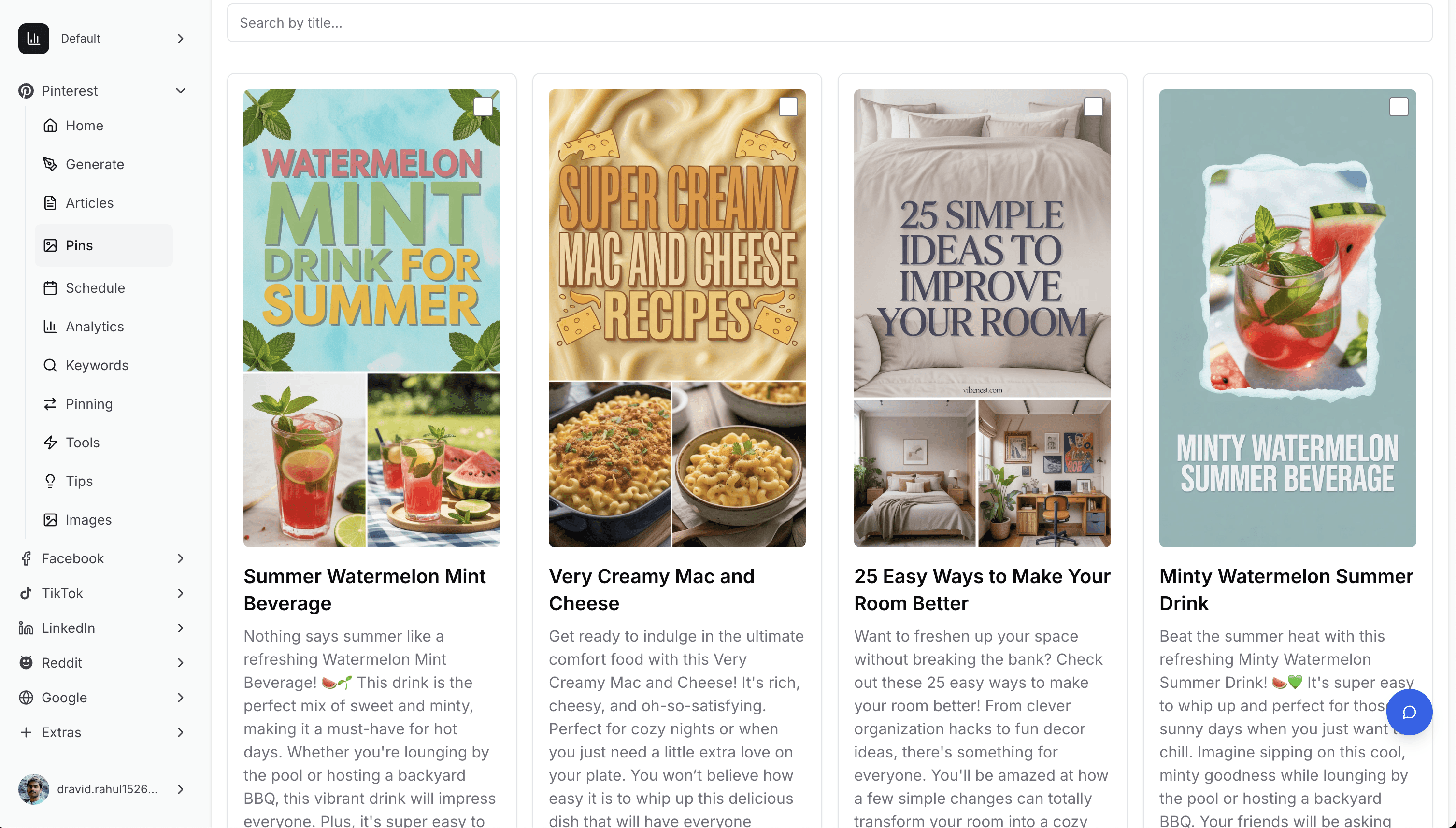
Leverage AI for Optimization: To streamline this process, use tools like NicheTrafficKit’s Pinterest SEO features to automatically generate keyword-rich descriptions and titles, ensuring maximum search visibility without the manual effort.
Monitor Search Performance: In your YouTube Analytics, check the "Traffic Source: YouTube Search" report to see which keywords are driving the most views. Create more content around those winning topics.
7. Faceless Content Creation and AI-Generated Assets
Faceless content creation is a social media strategy example that prioritizes the topic over the creator's personality. This approach involves building an engaged audience without ever appearing on camera. Instead, content is built using a combination of stock footage, AI-generated videos, animations, high-quality voiceovers, and text-based graphics to deliver value and entertainment.
The core principle is to create a brand centered on a specific niche, like finance, motivation, or history, where the information itself is the main attraction. This removes the pressure of personal branding and allows for immense scalability, as the content's production isn't dependent on a single individual's time or on-camera presence.
Strategic Breakdown and Application
This strategy is highly effective for creators who value privacy or want to build a scalable media asset that can be run by a team. For instance, YouTube channels like Top-Clips amass millions of subscribers by curating and narrating interesting clips, while finance channels use animated explainers to simplify complex topics. The content is designed to be easily discoverable through SEO on platforms like YouTube and Pinterest.
Key Insight: Faceless content decouples growth from personal celebrity, allowing creators to build valuable digital assets focused purely on audience interest. It transforms content creation into a systemized process that can be scaled exponentially with the right tools and workflows.
Actionable Takeaways
To implement this social media strategy example effectively, follow these steps:
Define a High-Value Niche: Choose a topic like history, psychology, or finance where the information itself is compelling. For example, a YouTube channel that tells "Historical Stories in 5 Minutes" using stock footage and AI voiceover.
Systemize Asset Creation: Create a template for your videos. Use consistent branding (fonts, colors), a recognizable AI voiceover, and a simple animation style to build a cohesive brand identity that viewers recognize instantly.
Leverage AI for Production: Utilize tools that specialize in AI for social media marketing to automate the entire process. NicheTrafficKit can generate complete faceless AI YouTube videos, from script to final render, or produce branded carousels at scale.
Focus on Discoverability: Master YouTube SEO and Pinterest marketing. Since you aren't relying on a personal brand, your growth will be driven by how well your content ranks for relevant search terms.
Analyze Topic Performance: Pay close attention to which content topics and formats generate the most views and engagement. If a video on "Ancient Roman Engineering" outperforms others, create a series on related topics like "Aqueducts" and "The Colosseum."
8. Carousel and Visual Storytelling Content
Carousel posts are a high-impact social media strategy example that excels at combining visual design with narrative storytelling. This format, popular on platforms like Instagram and LinkedIn, presents a series of images or slides that users swipe through. This interactive nature dramatically increases dwell time, a key metric that algorithms favor, often leading to significantly higher engagement and reach compared to static posts.
The core of this strategy is to break down a larger idea, process, or story into digestible, visually appealing slides. This "micro-storytelling" captures attention on the first slide and provides a clear incentive for the user to continue swiping, turning passive scrolling into active participation.

Strategic Breakdown and Application
This strategy is exceptionally versatile across different niches. A B2B marketer on LinkedIn might create a carousel explaining a complex business framework like "The 5 Steps to an Effective Go-to-Market Strategy," achieving 5-10x higher engagement than a simple text post. Similarly, an e-commerce brand can use a carousel to showcase product features, user-generated content, and social proof in a single, compelling post. Creators in fashion and lifestyle niches leverage them to share "how-to" guides, trend roundups, or behind-the-scenes stories.
Key Insight: Carousels transform information consumption from a passive act to an interactive experience. By encouraging the "swipe," you increase user engagement time, which signals to the algorithm that your content is valuable and worth showing to more people.
Actionable Takeaways
To effectively implement this social media strategy example, follow these steps:
Hook with the First Slide: Create a powerful, curiosity-driven headline on your first slide. For example: "Steal my 3-step framework for creating viral content" or "5 mistakes you're making with your skincare routine."
Structure Your Narrative: Aim for 5-10 slides. Use a logical flow: Slide 1: Hook/Title. Slides 2-4: Provide step-by-step tips. Slide 5: Conclude with a strong call-to-action (CTA).
Guide the Viewer's Eye: Use visual cues like arrows or phrases like "Swipe for the next tip ->" to guide users from one slide to the next, ensuring a smooth and intuitive experience.
Automate Creation: To maintain consistency and save time, use a tool like NicheTrafficKit. Its AI can generate dozens of platform-optimized carousel variations from a single topic, handling the design and content for you.
End with a Clear CTA: The last slide is prime real estate. Use it to ask a question ("Which tip will you try first?"), drive traffic ("Link in bio for the full guide"), or encourage saves ("Save this post for later!").
9. Influencer Collaboration and Audience Cross-Promotion
Influencer collaboration is a powerful social media strategy example centered on mutual growth. Instead of viewing other creators as competition, this approach involves partnering with complementary accounts to cross-promote content, share audiences, and amplify collective reach. The strategy leverages the trust and authority that influencers have with their followers to introduce your brand or content to new, highly engaged communities.
The core principle is synergy. You partner with creators whose audience demographics and interests align with yours but are not direct competitors. This can take the form of guest appearances, co-created content like a joint webinar or video series, sponsored posts, or simple shout-outs. This symbiotic relationship provides immense value to both parties and their respective audiences.
Strategic Breakdown and Application
This strategy is a cornerstone of growth for many platforms, especially YouTube and TikTok. For instance, YouTube creators like those in the "Hot Ones" series by First We Feast bring on celebrity guests, cross-pollinating massive audiences. On a smaller scale, two B2B consultants on LinkedIn might co-host a webinar, each promoting it to their network to double the potential lead generation and attendance.
Key Insight: Collaboration transforms social media from a zero-sum game into a positive-sum ecosystem. It’s one of the fastest ways to build credibility and reach new, targeted audiences by borrowing the trust established by another creator.
Actionable Takeaways
To implement this social media strategy example effectively, follow these steps:
Identify Aligned Partners: Look for creators with a similar audience size (or 50-200% larger) whose content complements yours. A fitness apparel brand might partner with a nutrition coach. A productivity software company could collaborate with a business coach.
Propose Mutual Value: When reaching out, clearly state what’s in it for them. Don't just ask for a shout-out. Suggest a specific idea: "I'd love to co-host an Instagram Live where we discuss [shared topic], which I think both our audiences would love."
Co-Create and Cross-Promote: Plan a specific piece of content, like an Instagram Live Q&A, a TikTok Duet series, or a joint YouTube video. Ensure both parties promote it across all their platforms for maximum exposure.
Define Clear Terms: Create a simple agreement (even an email) outlining deliverables ("we will each create 1 Reel and 3 Stories promoting the event"), timelines, and usage rights for the content. This prevents misunderstandings.
Track and Measure: Before the collab, note your current follower count. After, track follower growth for the next 48 hours. Monitor referral traffic from their link and engagement from the partner’s audience to determine the ROI.
10. Consistent Posting Schedule and Peak Time Optimization
Consistency is a foundational social media strategy example that acts as a signal to both your audience and platform algorithms. Rather than posting sporadically, this strategy involves establishing a predictable publishing cadence aligned with when your followers are most active online. This approach trains your audience to expect and look for your content while maximizing visibility and algorithmic favor.
The principle is simple: be present when your audience is listening. By maintaining a regular schedule, you build anticipation and create a reliable presence. This reliability fosters trust and keeps your brand top-of-mind, turning casual followers into a loyal community. It transforms your posting from random acts into a dependable content series.
Strategic Breakdown and Application
This strategy is non-negotiable for nearly every brand, from individual creators to large corporations. A B2B thought leader on LinkedIn might establish a "Tuesday Tip" series, while an e-commerce brand might post new product features every Friday at noon. This consistency creates viewing habits and ensures content lands in front of the largest possible audience segment, boosting initial engagement velocity.
Key Insight: A consistent posting schedule is less about the exact number of posts and more about creating a predictable rhythm. Optimizing that rhythm by publishing at peak engagement times gives your content the best possible chance to gain traction and momentum.
Actionable Takeaways
To implement this social media strategy example effectively, follow these steps:
Establish a Baseline: Start by committing to a manageable schedule, such as posting on Instagram 3-5 times per week and LinkedIn 2-3 times per week. The key is to choose a frequency you can maintain for at least 30 days.
Identify Peak Times: Use your platform's built-in analytics (like Instagram Insights) to find the exact days and hours your specific audience is most active. For example, your data might show that Wednesdays at 6 PM is your prime slot.
Schedule in Advance: Use a scheduling tool to load your content 1-2 weeks ahead. This reduces daily pressure and prevents missed posts, ensuring your cadence remains unbroken even on busy days.
Stay the Course: Don't be discouraged if a few posts underperform. Stick to your schedule for a full month to gather enough data to see long-term trends and allow the algorithm to recognize your consistency.
Analyze and Adjust: Review your performance quarterly. As your audience grows and platform habits change, your optimal posting times may shift. To dive deeper, you can learn more about the best times to post on social media.
Top 10 Social Media Strategy Comparison
Strategy | Implementation Complexity 🔄 | Resources & Speed ⚡ | Expected Outcomes 📊 | Ideal Use Cases | Key Advantages & Tip 💡⭐ |
|---|---|---|---|---|---|
Content Batching and Bulk Creation | Medium 🔄🔄 — initial setup for voice/templates | Low ongoing; high initial effort; very fast output ⚡⚡⚡ | Consistent publishing, higher volume, less burnout | Solo creators, agencies, multi-platform operators | 💡 Frees creator time and boosts consistency. ⭐⭐⭐⭐ |
Viral Trend Hijacking and Real-Time Engagement | High 🔄🔄🔄 — requires 24/7 monitoring & speed | Moderate resources; requires rapid execution; very fast impact ⚡⚡ | Large short-term reach spikes; volatile longevity | Entertainment, consumer brands, agile creators | 💡 Act within hours for max impact; balance with brand fit. ⭐⭐⭐⭐ |
Multi-Platform Content Repurposing | Medium 🔄🔄 — needs platform-aware adaptation | Efficient reuse of assets; moderate tooling; scalable ⚡⚡ | Broader reach, better ROI per asset | Long-form creators, agencies, course creators | 💡 Turn one core piece into 5–7 optimized variants. ⭐⭐⭐⭐ |
Data-Driven Engagement Optimization | High 🔄🔄🔄 — analytics setup and analysis required | Requires consistent data collection; slower to show gains ⚡ | Improved performance, clearer ROI, informed iteration | Brands, agencies, growth teams | 💡 Track 3–4 KPIs and A/B test iteratively. ⭐⭐⭐⭐⭐ |
Niche Community Building and Engagement | Medium 🔄🔄 — ongoing authentic participation | High time investment; slow growth but low ad spend ⚡ | Deep engagement, loyal advocates, higher conversion | B2B, niche products, community-focused creators | 💡 Participate before promoting; prioritize trust. ⭐⭐⭐⭐ |
SEO-Optimized Social Content Strategy | Medium 🔄🔄 — needs keyword research & planning | Upfront research; slower to rank; consistent payoff ⚡ | Steady organic traffic and discoverability over time | Educational/how-to creators, e‑commerce on Pinterest/YouTube | 💡 Build content clusters around long-tail keywords. ⭐⭐⭐⭐ |
Faceless Content Creation and AI-Generated Assets | Low–Medium 🔄🔄 — template/script driven | Low production costs; highly scalable and fast ⚡⚡⚡ | High output and scalability; may reduce perceived authenticity | Privacy-focused creators, high-volume channels | 💡 Invest in strong scripts and voiceovers for trust. ⭐⭐⭐ |
Carousel and Visual Storytelling Content | Medium 🔄🔄 — slide design and narrative effort | Moderate design resources; moderate speed ⚡⚡ | Higher engagement and time-on-post; shareable format | Educators, B2B, lifestyle and coaching niches | 💡 Lead with a strong first slide; limit to 5–10 slides. ⭐⭐⭐⭐ |
Influencer Collaboration and Audience Cross-Promotion | Medium–High 🔄🔄🔄 — outreach and coordination needed | Moderate resources for outreach; can yield fast reach ⚡⚡ | Rapid audience expansion and credibility boost | Growth-focused creators, brands launching campaigns | 💡 Target collaborators 1.5–2× your audience; align values. ⭐⭐⭐⭐ |
Consistent Posting Schedule & Peak Time Optimization | Low 🔄 — procedural and automatable | Low ongoing effort; automation increases efficiency ⚡⚡ | Better retention, algorithmic favor, predictable growth | All creators seeking steady growth | 💡 Start with 3–5 weekly posts and stick to cadence. ⭐⭐⭐⭐ |
From Example to Execution: Building Your Winning Strategy
We've journeyed through a diverse landscape of powerful social media strategies, from the systematic efficiency of content batching to the agile responsiveness of viral trend hijacking. We unpacked how B2B professionals leverage LinkedIn for targeted lead generation, how e-commerce brands use visual storytelling to drive sales, and how creators build loyal communities from the ground up. Each social media strategy example served not as a rigid blueprint, but as a source of inspiration and a tactical guide.
The most critical takeaway is this: a successful strategy is never about doing everything at once. It's about intentionality. The common thread weaving through every effective approach is a deliberate, systematic process that replaces random acts of posting with purposeful, goal-oriented content creation. Your mission is not to copy these examples verbatim, but to deconstruct their core principles and adapt them to your unique brand, audience, and objectives.
Distilling the Core Principles for Action
Before you build your own framework, let's recap the foundational pillars that underpin sustainable social media growth. These are the strategic constants that emerged from every successful example we analyzed.
System Over Spontaneity: The most successful accounts don't rely on last-minute inspiration. They build systems. Whether it's through content batching, creating a repurposing matrix, or establishing a consistent posting schedule, structure is what enables creativity and consistency to flourish.
Data as Your Compass: Intuition has its place, but data provides direction. The best strategies are born from analyzing what works. This means regularly diving into your analytics to understand peak engagement times, top-performing content formats (like carousels vs. single images), and the specific topics that resonate most deeply with your audience.
Value-Driven Content is Non-Negotiable: Every post must serve a purpose for your audience. It should either educate, entertain, inspire, or solve a problem. This value-first approach is the bedrock of community building and transforms passive followers into dedicated brand advocates.
Adaptability is Your Superpower: The social media landscape is in constant flux. A strategy set in stone is a strategy destined to fail. The ability to pivot, experiment with new formats like faceless AI-generated content, and capitalize on emerging trends is what separates stagnant accounts from those experiencing exponential growth.
Your Actionable Path Forward: From Insight to Implementation
Feeling inspired is one thing; taking action is another. The goal now is to bridge that gap and translate these examples into a tangible plan for your own brand. Don't let the sheer number of options lead to analysis paralysis. Start small, stay focused, and build momentum.
Here is a simple, three-step process to get started:
Select Your Starting Strategy: Review the examples and choose just one or two that align most closely with your immediate goals and available resources. If you're overwhelmed, focus on content batching. If you need quick engagement, focus on viral trend hijacking. If you're a B2B service, start with an SEO-optimized LinkedIn content strategy.
Define Your "Minimum Viable" Consistency: What is the absolute minimum you can commit to for the next 30 days? Maybe it's posting three high-quality, repurposed pieces of content per week. Or perhaps it's creating and scheduling one content batch for the month ahead. Define a realistic, achievable goal to build a habit.
Measure and Iterate: At the end of 30 days, review your key performance indicators (KPIs). Did your engagement rate increase? Did you generate more leads or website clicks? Use this data not to judge success or failure, but to inform your next 30-day sprint. Double down on what worked and discard what didn't.
The journey from a blank content calendar to a powerful, automated content engine begins with a single, strategic step. By adopting the principles behind each social media strategy example and committing to a process of consistent execution and data-informed iteration, you will build not just a following, but a thriving digital ecosystem that drives real business results.
Ready to turn these strategic examples into an executable reality without the manual grind? NicheTrafficKit is the AI-powered toolkit designed to automate the most time-consuming parts of your strategy, from generating on-brand content and identifying viral trends to scheduling posts across all your platforms. Stop wrestling with the content treadmill and start executing a winning strategy with NicheTrafficKit today.