
10 Actionable Social Media Content Suggestions for 2026
Stuck for ideas? Explore our top social media content suggestions for 2026. Get platform-specific examples and actionable tips to boost engagement.
In the ever-evolving world of social media, generic posts no longer cut it. Standing out requires a strategic mix of authenticity, value, and platform-native creativity. The difference between a post that gets lost in the feed and one that drives engagement often comes down to the quality and relevance of the idea itself. This guide moves beyond surface-level advice to provide 10 battle-tested social media content suggestions, complete with actionable examples, ready-to-use templates, and platform-specific insights.
Whether you're fighting for reach on TikTok, building authority on LinkedIn, or driving traffic from Pinterest, this list is your roadmap to creating content that doesn't just get seen, it gets results. We'll break down the 'why' behind each format and the 'how' for flawless execution, providing tips to hit the ground running immediately. Think of this not just as a list of ideas, but as a framework for building a more dynamic and effective content calendar.
We will cover everything from leveraging trending audio and creating authentic behind-the-scenes content to crafting data-driven LinkedIn posts and viral Pinterest designs. To truly maximize the impact of your social media efforts and extend the life of your content, exploring actionable content repurposing strategies is essential. Our goal is to equip you with a diverse toolkit of concepts you can adapt and deploy across your channels. Let's transform your content calendar from a list of obligations into a high-impact growth engine.
1. Trending Audio & Sound-Based Posts
Leveraging trending audio is one of the most powerful social media content suggestions for boosting discoverability on short-form video platforms like TikTok, Instagram Reels, and YouTube Shorts. These platforms' algorithms are designed to push content that uses popular sounds, as it signals relevance and encourages users to engage with a current trend. By syncing your video to a sound that's gaining traction, you effectively "hitch a ride" on its viral momentum, exposing your content to a much wider audience beyond your existing followers.
The core principle is simple: platforms want to keep users on their app by showing them more of what they already enjoy. When a sound is trending, the algorithm prioritizes showing videos that feature it, significantly increasing your chances of landing on the "For You Page" (TikTok), the Reels tab, or the Shorts feed. This tactic is not just about entertainment; it’s a strategic move to maximize algorithmic favor and organic reach.
How to Implement Trending Audio
Identify Emerging Sounds: Don't wait for a sound to become oversaturated. Proactively monitor the TikTok Discover page, the Instagram Reels audio library (look for the upward-trending arrow), and YouTube's "On the Rise" section. The key is to adopt sounds within 24-48 hours of them beginning to trend for optimal impact.
Adapt, Don't Just Copy: Find a creative way to apply the trending sound to your niche. For example, a real estate agent could use a popular "reveal" sound to showcase a newly listed home, or a financial advisor could use a comedic audio clip to illustrate a common money mistake by pointing to different text bubbles on screen.
A/B Test Your Content: Create 3-5 different video variations using the same trending audio. Actionable Insight: Test different hooks in the first 3 seconds. For example, use a text overlay that asks a question ("Is this the biggest home buying mistake?") vs. one that makes a bold statement ("You're losing money if you do this.") to see which performs better.
Pro-Tip: Use a tool like NicheTrafficKit's viral trend research feature to get ahead of the curve. It helps identify sounds before they peak, giving you a crucial first-mover advantage and preventing your content from getting lost in the noise. This is a game-changer for staying consistently relevant.
2. Behind-the-Scenes & Authenticity Content
Showcasing the unpolished, real process behind your brand is a cornerstone social media content suggestion for building trust and humanizing your operations. Audiences are increasingly drawn to authenticity over perfection, with raw, documentary-style content often generating significantly higher engagement than overly produced posts. By pulling back the curtain, you give your audience a reason to feel connected to your brand’s journey, fostering a loyal community that is invested in your success.

This strategy works because it satisfies audience curiosity and builds a powerful emotional connection. When followers see the effort, the team, and even the occasional setbacks involved in creating a product or delivering a service, they see a relatable story, not just a faceless corporation. This transparency demystifies your business and highlights the unique value and care that goes into your work, making it a compelling differentiator in a crowded market.
How to Implement Behind-the-Scenes Content
Document Unique Processes: Focus on what makes your business special. A coffee roaster could show a time-lapse of their bean roasting process, while a software company could share a screen recording of a quick brainstorming session for a new feature. Share the parts of your process that your competitors cannot easily replicate.
Introduce Your Team: Put a face to your brand. Film short "day-in-the-life" videos of team members, host quick Q&A sessions on Instagram Stories, or share employee spotlights that highlight their roles and personalities. Practical Example: A 15-second Reel showing your customer support lead answering a common question on a whiteboard.
Mix Raw with Polished: Schedule behind-the-scenes content 2-3 times per week to maintain a steady stream of authentic moments. Mix this unscripted footage with your more polished, "hero" content to create a well-rounded and dynamic feed that feels both professional and relatable.
Pro-Tip: Use text overlays and captions on all unscripted video content. Since BTS footage often has imperfect audio or is viewed without sound, adding clear text ensures your message is understood and makes the content more accessible, boosting completion rates and overall impact.
3. Carousel Posts & Multi-Slide Educational Content
Carousel posts are a powerhouse among social media content suggestions for driving engagement and delivering substantial value in a single post. This format, popular on platforms like Instagram, LinkedIn, and even Pinterest, allows you to share multiple images or video clips in a sequential, swipe-able format. Instead of conveying a single idea, carousels create a narrative, guiding your audience through a step-by-step process, a list of tips, or a mini-lesson. This structure inherently boosts engagement metrics like time-on-post and saves, as users are encouraged to interact by swiping to see what's next.

The strategic advantage of carousels lies in their ability to package dense information into a digestible and visually appealing format. For example, a LinkedIn creator can share a 10-slide carousel on "5 Mistakes to Avoid in Your Next Job Interview," with each mistake getting its own slide. Similarly, an e-commerce brand can create a product comparison carousel showing the features of two different products side-by-side. This method transforms your profile into a valuable resource, encouraging followers to save your content for later and return for more. The high save rate (often 2x that of single-image posts) signals to the algorithm that your content is high-quality, further boosting its reach.
How to Implement Carousel Posts
Design a Compelling First Slide: Treat your first slide like a headline or a book cover. It must create a "curiosity gap" that makes swiping irresistible. Practical Example: Use a bold title like "The 3 Social Media Metrics You're Ignoring" or ask a provocative question like "Is Your Content Calendar Actually Hurting Your Growth?" to maximize your swipe-through rate.
Establish a Consistent Template: Develop a branded template for your carousel series. Consistent fonts, colors, and layout not only save you time but also build brand recognition. When followers see your distinct style in their feed, they will immediately associate it with the high-value content you provide.
Guide Users with a Clear CTA: The final slide is your opportunity to drive action. Don't just end the carousel; tell your audience exactly what to do next. Actionable Insight: Instead of a generic "link in bio," use a specific CTA like "Save this post for your next campaign" or "Comment with your favorite tip below."
Pro-Tip: Structure your content to maintain momentum. Place your most impactful statistics or surprising facts on odd-numbered slides (e.g., slide 3 or 5) to break up the flow and recapture attention. This psychological trick helps keep users engaged all the way to the final slide, increasing the likelihood they will act on your CTA.
4. User-Generated Content & Community Engagement Posts
Harnessing user-generated content (UGC) is one of the most authentic social media content suggestions for building brand trust and fostering a loyal community. This strategy involves featuring content created by your customers, such as reviews, photos, videos, or testimonials. By showcasing real people using and loving your products or services, you provide powerful social proof that is far more persuasive than traditional branded advertising. On average, UGC can increase engagement by 28% and is perceived as more trustworthy by consumers.
The principle behind UGC is reciprocity and recognition. When you feature a customer's content, you not only fill your content calendar with authentic material but also make that customer feel valued and seen. This strengthens their brand loyalty and encourages others to share their own experiences, creating a self-sustaining cycle of community engagement and content creation. It effectively transforms your audience from passive consumers into active brand advocates.
How to Implement UGC and Community Engagement
Launch a Branded Hashtag Campaign: Create a simple, memorable hashtag and encourage your audience to use it when posting about your brand. For example, a coffee shop could launch #MyMorningMugshot, or a travel company could use #WanderWithUs. Clearly state the submission guidelines in your bio and regularly promote the hashtag across all channels to drive participation.
Always Credit and Ask Permission: Before reposting any user-generated content, send a direct message to the original creator asking for their permission. Actionable Insight: Keep a simple template message handy: "Hi [Name]! We love this photo/video. Would you mind if we shared it on our feed? We'll be sure to give you full credit!" This is crucial for maintaining goodwill and ethical standards.
Feature Diverse Customer Stories: Actively look for and feature a wide range of customer submissions. A fitness app, for instance, should showcase users of different ages, fitness levels, and backgrounds to demonstrate broad appeal and inclusivity. This makes your brand more relatable to a wider audience.
Pro-Tip: Use Instagram Stories or TikTok to share UGC quickly and create a sense of immediacy. Create a "Community" or "Reviews" Story Highlight on your profile to permanently showcase the best submissions, providing an easily accessible hub of social proof for new visitors. This is a low-effort, high-impact way to keep UGC visible.
5. Data-Driven Statistics & Research Posts
Sharing data-driven insights is one of the most effective social media content suggestions for establishing authority and capturing audience attention. Posts that feature surprising statistics, industry research, or original data position your brand as a credible, knowledgeable resource. This approach appeals to the audience's desire for concrete information and shareable facts, making it a powerful tool for generating engagement, particularly on platforms like LinkedIn, X (formerly Twitter), and in B2B marketing contexts.
The core principle behind this strategy is to provide tangible value that educates and intrigues your audience simultaneously. By presenting complex information in a simple, visual, and easily digestible format, you create content that is not only informative but also highly shareable. This builds trust and encourages followers to look to you for reliable industry insights, solidifying your thought leadership status.
How to Implement Data-Driven Content
Visualize the Data: Transform a compelling statistic into a simple infographic, chart, or bold quote graphic. Practical Example: Instead of just stating "remote work has increased by 159% since 2009," create a simple bar chart graphic comparing the two years. This makes the information more memorable and shareable.
Reframe Existing Research: You don't always need to conduct original studies. Find a key statistic from a reputable report (like HubSpot's State of Marketing or a McKinsey industry brief) and build a post around it. Actionable Insight: Frame it with your expert take: "This new data shows [statistic], which means [your unique interpretation/advice for your audience]."
Create Comparison Posts: Highlight year-over-year changes or compare two different data sets to create a compelling narrative. For example, a post showing "The Top 3 Marketing Channels in 2023 vs. 2024" instantly provides valuable context and sparks discussion about industry shifts. Always cite your sources to maintain credibility.
Pro-Tip: Turn a single, powerful statistic into a poll or an open-ended question. For example, post "A recent study found 68% of consumers prefer video over text. Are you in the 68% or the 32%? Vote below!" This simple tactic invites direct audience participation, boosts engagement metrics, and fuels insightful comment threads.
6. Micro-Content & Short-Form Series (Daily Habits & Tips)
Developing a micro-content series is one of the most effective social media content suggestions for building audience loyalty and creating consistent engagement. This strategy involves creating bite-sized, recurring content that followers begin to anticipate, effectively turning your profile into a daily habit for them. By delivering value in a predictable format, you train your audience to check in regularly, significantly boosting repeat viewership and reinforcing your brand's authority.
The core principle behind this tactic is habit formation. When users know they can expect a valuable "Tip Tuesday" or a "Motivation Monday" post from you every week, they are more likely to seek out your content proactively. This consistency transforms passive followers into an active community, as they feel part of a routine. It’s a powerful method to stay top-of-mind and build a relationship that goes beyond a single viral post.
How to Implement a Micro-Content Series
Establish Thematic Pillars: Choose recurring themes that align with your niche and audience needs. Practical Example: A fitness coach could run a "Workout Wednesday" series with short exercise tutorials, while a SaaS company could do a "Feature Friday" highlighting a specific tool function in under 60 seconds.
Use Consistent Templates: Design a set of branded templates for your series. Using the same fonts, colors, and a recognizable intro/outro for each "Tip Tuesday" video, for example, makes your content instantly recognizable in a crowded feed. This visual consistency reduces your design time and strengthens brand recall.
Batch-Create and Schedule: Dedicate a single session to create a month's worth of series content. Actionable Insight: Film four "Workout Wednesday" videos in one hour. This ensures you have a reliable buffer and aren't scrambling for content each week. Schedule these posts to go live at the exact same time on their designated day to maximize the habit-forming effect.
Rotate Your Series: To keep content fresh while maintaining consistency, rotate between 3-4 different series. For example, your weekly schedule could include 'Motivation Monday,' 'Data Deep-Dive Wednesday,' and 'Q&A Friday.' This provides variety and appeals to different segments of your audience.
Pro-Tip: Analyze which of your series themes generates the most saves and shares. These metrics indicate that your audience finds the content genuinely valuable and evergreen. Double down on the formats and topics that perform best to accelerate your community growth and establish your authority.
7. Viral Pin Design & Pinterest-Specific Content
Creating Pinterest-specific content is one of the most effective social media content suggestions for driving long-term referral traffic. Unlike ephemeral posts on other platforms, Pinterest content acts like a visual search engine entry, with a single Pin having the potential to drive traffic for months or even years. The platform’s algorithm prioritizes well-designed, SEO-optimized Pins that offer clear value, making it a powerful tool for brands aiming for sustained website visits rather than just fleeting engagement.
The core principle is to treat Pinterest as a search engine, not just a social network. Users actively search for solutions, inspiration, and products. A strategically designed Pin that answers a user's query can generate significantly more qualified traffic than other social platforms. This makes it an invaluable strategy for blog creators, e-commerce stores like Etsy sellers, and DIY or recipe-focused brands that rely on consistent website traffic.
How to Implement Viral Pin Design
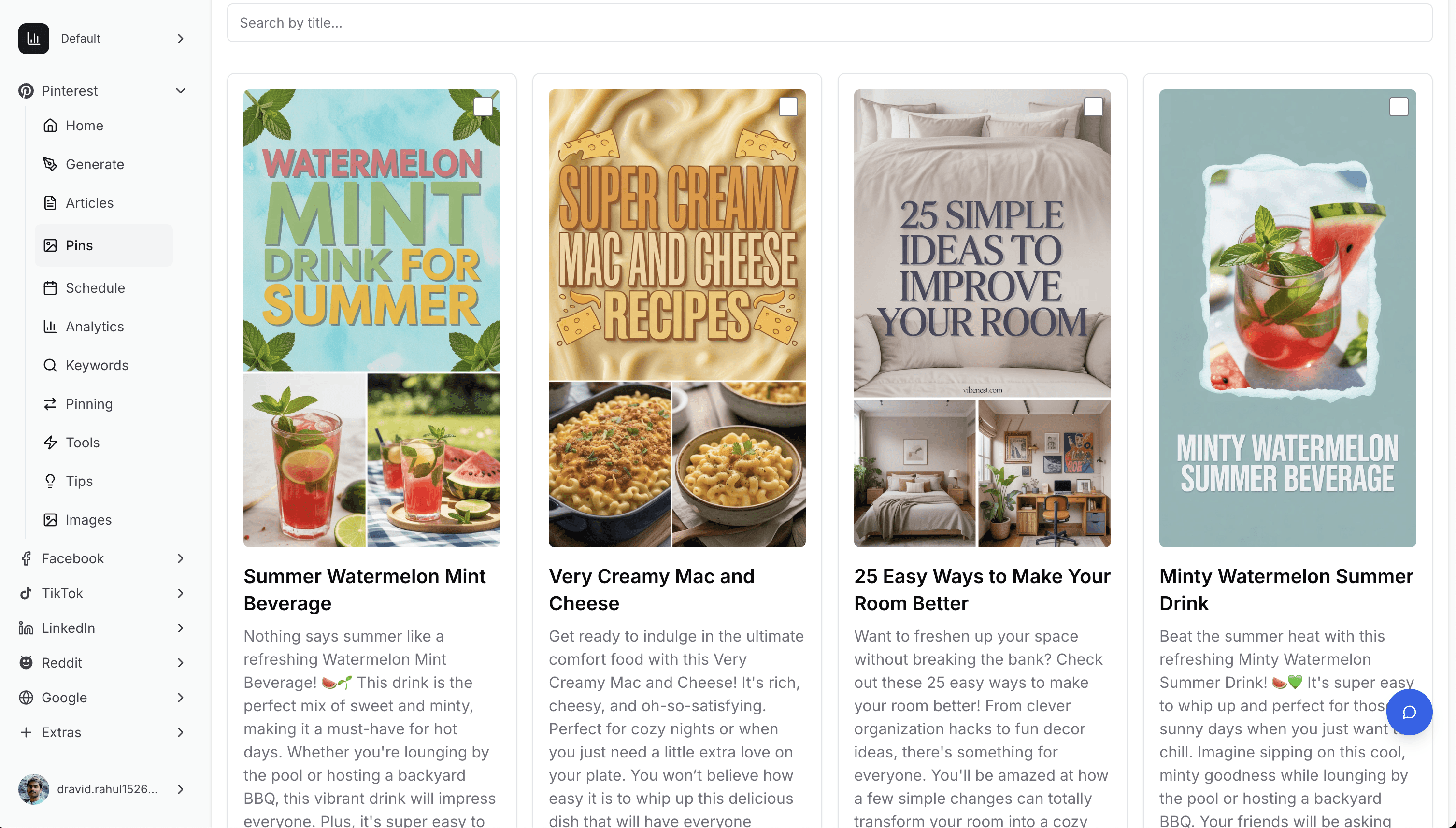
Optimize Pin Dimensions and Design: Always use a vertical format, with a 2:3 aspect ratio (e.g., 1000x1500 pixels) being ideal. Use high-contrast colors, large, readable text overlays that clearly state the Pin's value proposition (e.g., "10-Minute Vegan Dinner Idea"), and a high-quality, relevant image. The design must be compelling even at a small thumbnail size.
Integrate Keywords for SEO: Your Pin's success hinges on its discoverability. Conduct keyword research using Pinterest's own search bar suggestions. Actionable Insight: If you're pinning a recipe for "chocolate chip cookies," include related keywords like "easy cookie recipe," "soft baked cookies," and "dessert ideas" in your Pin description.
Create and Test Multiple Pin Variations: For every single blog post or product page, create 3-5 different Pin designs. Practical Example: For a blog post on "home office organization," create one Pin with an image of a clean desk, another with a close-up of a drawer organizer, and a third with a text-only graphic listing "5 Organizing Hacks." This A/B testing approach significantly increases the likelihood of one of your Pins going viral.
Pro-Tip: Don't just "pin it and forget it." Schedule your Pins to be shared across multiple relevant boards over several weeks. A tool like NicheTrafficKit can automate this process, ensuring your content gets maximum exposure without manual effort. To go deeper, learn more about how to go viral on nichetraffickit.com and master the art of Pin optimization.
8. Trending Hashtag Challenges & Participation Posts
Participating in or creating hashtag challenges is a highly effective social media content suggestion for sparking virality and user-generated content. Unlike passive content, challenges actively invite your audience to become creators themselves, tapping into the powerful network effect. When users participate, they expose your brand or challenge to their own followers, creating an exponential ripple of reach that traditional posts cannot match.
The principle behind this strategy is community and co-creation. Challenges like the #InMyFeelingsChallenge or branded campaigns like Chipotle's #GuacDance turned viewers into active participants, generating millions of submissions and organic promotions. This format thrives on participation, shareability, and a sense of friendly competition, making it one of the most powerful tools for rapid, community-driven growth.
How to Implement Hashtag Challenges
Participate Before You Create: Start by joining existing viral challenges relevant to your niche. Practical Example: A fitness coach, for instance, could participate in a popular workout challenge like the #75Hard challenge, documenting their journey and adding their unique professional spin to it.
Lower the Barrier to Entry: When creating your own challenge, make it simple and accessible. The easier it is for someone to participate, the more likely they will. A challenge should require minimal props or skills. For instance, a bookstore could create the #BookStackChallenge, asking users to stack books that match a certain color theme.
Seed with Micro-Influencers: To give your original challenge initial momentum, collaborate with micro-influencers in your niche. Their early participation acts as social proof and helps introduce the challenge to a highly relevant and engaged audience, kickstarting the viral loop.
Pro-Tip: Your challenge's success is tied directly to its hashtag. Ensure it's unique, memorable, and easy to spell. For a deeper understanding of how to select and deploy them for maximum impact, learn more about how to use hashtags effectively on NicheTrafficKit.com.
9. LinkedIn Thought Leadership & B2B Industry Insights
Positioning yourself as an authority in your field is one of the most effective social media content suggestions for B2B professionals, and LinkedIn is the premier platform for this. Long-form posts (1,300+ characters) that share deep industry insights, nuanced career advice, and unique business philosophies are exceptionally powerful. This content moves beyond simple updates to provide genuine value, fostering trust and credibility with your network of peers, clients, and potential employers.
The core principle behind this strategy is that professionals on LinkedIn are actively seeking knowledge and perspective, not just promotional content. By consistently sharing high-quality, thoughtful analysis, you build a reputation as a go-to expert. The LinkedIn algorithm rewards posts that spark meaningful conversation, meaning content that educates and engages will significantly outperform direct sales pitches, generating high-quality leads and professional opportunities organically.
How to Implement LinkedIn Thought Leadership
Share Contrarian or Nuanced Takes: Instead of repeating mainstream opinions, offer a unique or even contrarian perspective on a common industry topic. Practical Example: A marketing director could write a post titled "Why 'Customer-Centric' Is a Flawed Model (And What To Do Instead)" and propose a 'community-centric' alternative. This sparks debate and positions you as an original thinker.
Use a Story-First Framework: Begin your post with a specific, personal anecdote before transitioning to the broader lesson or advice. A cybersecurity expert could start with a story about a minor mistake they made early in their career ("I almost brought down our entire network with one click...") before explaining the critical security principle it taught them. This makes abstract concepts relatable and memorable.
Optimize for Mobile Readability: Structure your long-form posts with short paragraphs of 1-3 sentences each. Use 5-7 line breaks to create white space, making the text less intimidating and easier to skim on a mobile device. End your post with a direct, open-ended question like "What's the biggest leadership challenge you're facing this quarter?" to prompt comments.
Pro-Tip: To effectively establish yourself as an authority in your industry, developing a robust thought leadership strategy is paramount. This involves not just what you post, but also how you plan your content themes, engage with others, and measure your impact to build a powerful professional brand.
10. Faceless AI Video & Automation Content (YouTube Shorts & TikTok)
Creating faceless AI-generated video is an incredibly efficient social media content suggestion for scaling content on YouTube Shorts and TikTok without needing on-camera talent. This approach uses AI voiceovers, stock footage, text overlays, and simple animations to produce high-volume content, eliminating common production bottlenecks like filming and editing. This allows creators to focus entirely on high-value, information-driven content that captivates viewers through storytelling and rapid visual pacing.
The strategy behind faceless content is to deliver valuable information quickly and cleanly. Viewers on platforms like YouTube Shorts and TikTok are often seeking quick educational bites, motivation, or entertainment. By removing the "personality" component, the content's core message becomes the star. This format performs exceptionally well in niches like finance ("3 Passive Income Ideas for 2026"), self-improvement, and tech, where clear, concise information is prized over a creator's on-screen presence, enabling massive scale and reach.
How to Implement Faceless AI Video
Choose High-Value Niches: Focus on topics with evergreen appeal and high search volume, such as personal finance, wellness, historical facts, or motivational quotes. These niches attract dedicated audiences hungry for knowledge and inspiration.
Master the Pattern Interrupt: To compensate for the lack of a human face, you must keep the viewer's attention. Actionable Insight: Use a mix of stock video, animated text, and simple icons. Introduce a new visual element, text animation, or scene change every 3-5 seconds. This fast-paced editing style is crucial for retaining viewership on short-form platforms.
Systemize and Batch Create: Use AI tools to generate scripts, voiceovers, and even select stock footage. Create templates for different video styles (e.g., "Top 5 Lists," "Quote of the Day") and produce 20-50 variations at a time to test what resonates with the algorithm and your audience.
Pro-Tip: The key to successful faceless content is combining compelling information with strong auditory hooks. Always layer trending audio or an engaging background track underneath your AI voiceover to make the content more algorithm-friendly and enjoyable for the viewer. To explore this topic further, you can learn more about using AI for social media marketing on nichetraffickit.com.
Top 10 Social Media Content Types Comparison
Content Type | 🔄 Implementation Complexity | ⚡ Resource Requirements & Speed | 📊 Expected Outcomes | ⭐ Ideal Use Cases | 💡 Quick Tip |
|---|---|---|---|---|---|
Trending Audio & Sound-Based Posts | Medium–High — time-sensitive monitoring and rapid turnaround | Low–Medium — basic editing tools, sound discovery; fast execution | 35–45% lift in views/engagement; strong algorithmic reach | Short-form platforms (TikTok, Reels, Shorts) for virality and shareability | Identify sounds early; post within 24–48 hrs; create 3–5 variations |
Behind-the-Scenes & Authenticity Content | Low–Medium — simple production but requires planning and vulnerability | Low — minimal gear, batch-filming friendly; modest editing time | 2–3x engagement; higher loyalty and perceived authenticity | Brand storytelling, product process, personal branding | Mix BTS 2–3x weekly; batch film and add captions for clarity |
Carousel Posts & Multi-Slide Educational Content | Medium — needs sequential narrative and strong slide design | Medium — design time, templates, copywriting; moderate production pace | 1.8–2.3x saves; 1.5–2x shares; increased time-on-content | Educational how-tos, lead magnets, LinkedIn and Instagram for depth | Make first slide a curiosity hook; use consistent templates |
User-Generated Content & Community Engagement Posts | Medium — community management, curation, and rights handling | Low production but ongoing moderation and legal checks required | 28–40% engagement lift; ~45% increase in perceived authenticity | Brands with active communities; trust-building and advocacy campaigns | Create clear hashtag + submission rules; always credit and obtain permission |
Data-Driven Statistics & Research Posts | High — requires reliable sourcing, analysis, and accurate visuals | High — data access, analysis tools, design time; slower turnaround | 32–45% higher LinkedIn engagement; strong thought-leadership impact | B2B thought leadership, PR, industry reports and expert positioning | Cite original sources; turn research into multiple derivative posts |
Micro-Content & Short-Form Series (Daily Tips) | Low — repeatable formats and predictable cadence | Low — minimal time per post (5–15 min); easy to batch and schedule | ~40% increase in follower retention; 20–30% boost in daily engagement | Habit-building series, audience retention, testing new niches | Batch-create 20–30 posts; publish at consistent daily times |
Viral Pin Design & Pinterest-Specific Content | Medium — requires SEO knowledge and vertical design skills | Medium — design templates, keyword research; steady content creation | 33%+ higher website traffic vs other social; 6+ month lifespan per pin | E‑commerce, blogs, DIY, recipes and high-intent search traffic | Design vertical pins (1000×1500px); include SEO keywords naturally |
Trending Hashtag Challenges & Participation Posts | High — unpredictable virality; needs rapid seeding and momentum | Low–Medium — initial seeding cost (influencers), simple content format | Potential 10–100x reach via participation network effects | Brand awareness stunts, youth-focused campaigns, mass UGC drives | Seed with micro-influencers; keep entry barrier very low and clear |
LinkedIn Thought Leadership & B2B Industry Insights | High — demands expertise, long-form crafting, credibility | Medium — time investment for writing and community engagement | ~45% higher engagement on LinkedIn; 3–5x more qualified B2B leads | B2B lead gen, recruitment, executive positioning and authority building | Use personal stories, add line breaks for mobile, end with a question |
Faceless AI Video & Automation Content | Low–Medium — tooling reduces production complexity but needs prompting | Low — fast output via AI, stock footage licensing required | 60–80% faster production; enables 4–6x more output and rapid testing | High-volume Shorts/TikTok, niche explainer content, rapid scaling | Use pattern interrupts every 3–5s; pair with trending audio and niche topics |
From Ideas to Impact: Your Next Move
We've explored a comprehensive arsenal of social media content suggestions, from leveraging trending audio on TikTok to establishing thought leadership on LinkedIn. The journey from a blank content calendar to a vibrant, engaging social media presence can feel overwhelming, but the path forward is clearer than you think. This guide wasn't just a list of ideas; it was a strategic blueprint designed to help you build a content engine that drives real results.
The core takeaway is that sustainable growth isn't about chasing every trend or mastering every platform simultaneously. It's about strategic implementation. True impact comes from creating a balanced content ecosystem that blends different formats to achieve specific goals. Think of it as a well-rounded portfolio:
Authenticity and Connection: Driven by behind-the-scenes glimpses and community-focused user-generated content.
Authority and Value: Built through data-rich carousel posts, industry research, and insightful LinkedIn articles.
Reach and Discovery: Amplified by participating in viral hashtag challenges, creating sound-based Reels, and designing eye-catching Pinterest pins.
By integrating these diverse content pillars, you create a dynamic feed that not only attracts new followers but also nurtures a loyal community that trusts your expertise and values your perspective.
Your Actionable 90-Day Content Sprint
Information without action is just noise. To turn these social media content suggestions into measurable growth, you need a focused plan. The biggest hurdle for most creators and businesses isn't a lack of ideas but the operational friction of consistent creation, scheduling, and analysis.
Here is your a simple, yet powerful, framework to get started:
Select Your Focus Areas: Don't try to implement all ten suggestions at once. Review the list and choose two or three content types that best align with your brand's strengths and your audience's preferences. For example, a B2B consultant might focus on LinkedIn thought leadership and data-driven carousels, while a D2C e-commerce brand might prioritize user-generated content and trending audio Reels.
Commit to a 90-Day Sprint: Consistency is the engine of social media success. Commit to producing your chosen content types consistently for the next 90 days. This timeframe is long enough to gather meaningful data and see tangible results, yet short enough to remain manageable.
Establish a Simple Workflow: Map out your creation process. Will you batch-create your carousels on the first Monday of the month? Will you dedicate 15 minutes every morning to filming a quick "behind-the-scenes" clip? Documenting this process removes daily decision fatigue and transforms content creation from a chore into a habit.
Measure and Adapt: Track key metrics for your new content. Are your carousels getting more saves? Are your behind-the-scenes Reels boosting comment volume? Use this data not to judge success or failure, but to learn and refine your approach. If a certain style of post resonates, double down. If another falls flat, analyze why and pivot.
This structured approach transforms a long list of possibilities into a focused, actionable strategy. It's about moving from "what could I post?" to "what will I post this week to achieve my goals?". By mastering a few key content formats and building a system around them, you create a powerful and sustainable flywheel for growth. The ideas in this article are your fuel; consistent, data-informed execution is the engine that will carry you forward.
Tired of the content creation treadmill? The powerful social media content suggestions in this guide can be fully automated. NicheTrafficKit uses AI to generate, schedule, and optimize high-impact content across all your platforms, so you can focus on strategy instead of logistics. See how it works at NicheTrafficKit and start building your content engine today.