
How to Create a Facebook Group That Thrives and Grows
Unlock how to create a Facebook group with proven setup steps, engagement tactics, moderation tips, and growth strategies for a vibrant community.
Need a quick blueprint for launching your Facebook Group? This guide packs actionable tips on naming, privacy settings, welcome posts and simple engagement hooks into a few minutes of reading. You’ll have a clear path forward straight away.
Fast Roadmap To Creating Your Facebook Group
Summary Of Key Steps To Create A Facebook Group
Below is a stage-by-stage snapshot of what to do, paired with real-world advice from seasoned community managers.
Stage | Action | Tip |
|---|---|---|
Planning | Define your audience and group purpose | Pick a narrow niche to attract ideal members |
Setup | Choose a name and set privacy level | Include relevant keywords and decide public or private |
Launch | Write a welcome post and membership questions | Pin the intro to establish clear expectations |
Early Growth | Invite your first members and spark discussion | Prioritize quality interactions over quantity |
Keep this overview handy as you move from defining your focus to driving those first conversations.
Here’s a peek at the Facebook Group setup screen.
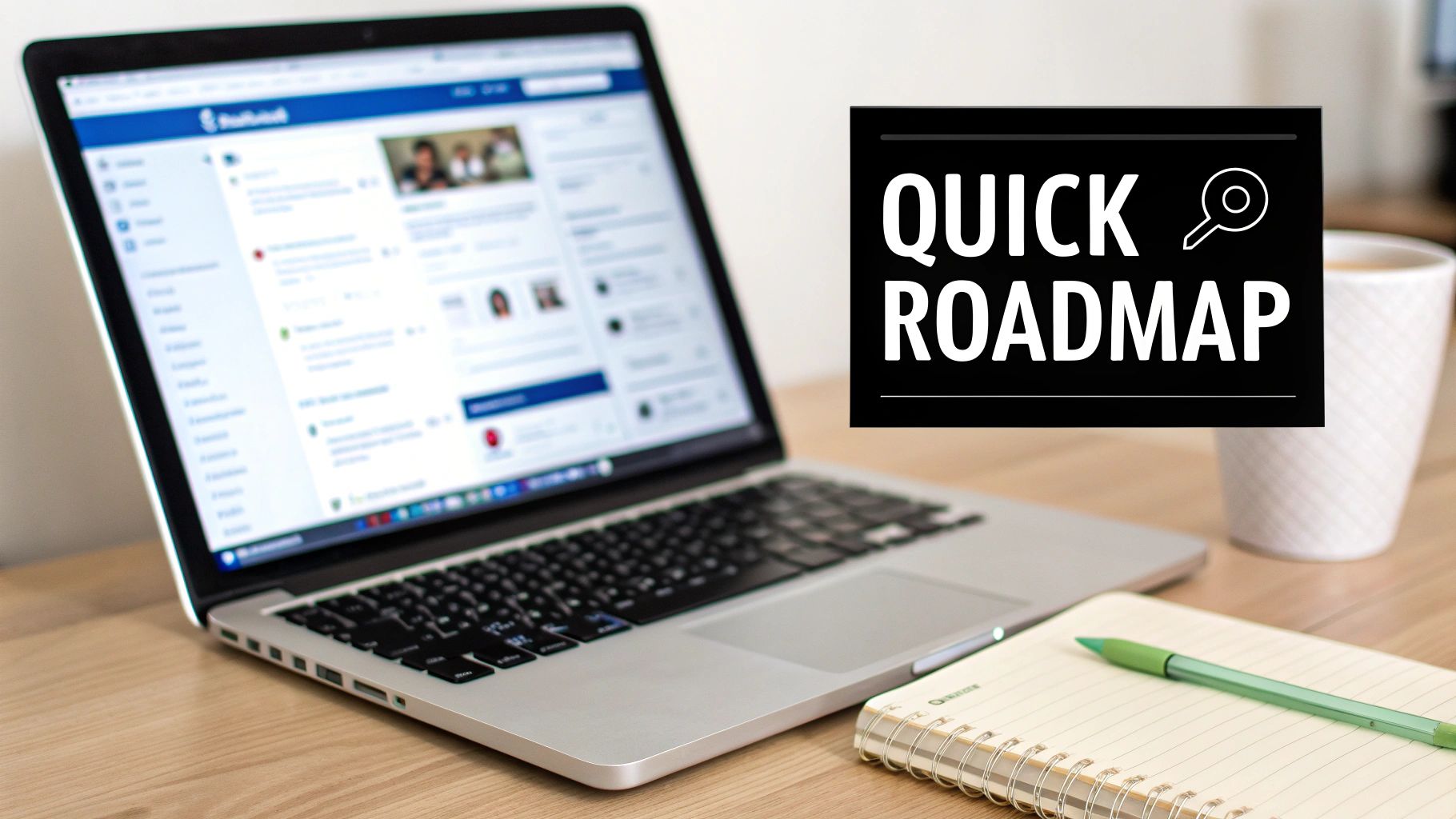
This view highlights naming and privacy settings before you send out invites.
Key Takeaways
A clearly defined purpose brings in the right people.
Keyword-rich names boost discoverability.
A pinned welcome post sets the engagement tone.
Early quality interactions fuel long-term momentum.
Next Steps
Draft your community guidelines and member questions.
Use NicheTrafficKit to schedule those first posts and track engagement.
Invite a core group of 5–10 people to start genuine conversations.
Practical Example: The Urban Snaps Community defined their niche as city street photography, used “Urban Street Photography Community” in their name, and gained 50 engaged members within the first week by personally inviting local photographers and posting daily prompts.
Ready to kick things off? Head over to the Facebook Groups section and complete your setup.
Happy group building ahead!
Why Facebook Groups Are Powerful
When people rally around a shared passion, something special ignites. Facebook Groups provide that dedicated corner—every conversation, every post, taps into genuine interest rather than random scrolls.
Practical Action: Run a weekly poll to gauge member interests, then schedule related content within 48 hours to maintain momentum.
Take the small-batch coffee club, for instance. What started as recipe swaps evolved into a paid subscription box pulling in $2.4K each month. And when a new blend drops, members respond within hours with honest reactions.
Members dive into niche topics, sparking lively debates.
Real-time feedback lets you refine offerings instantly.
Customized notifications nudge the community back into action.
Engagement Metrics
You’re not shouting into the void when you build a group. Nearly 1.8 billion people dive into Facebook Groups every month, and they spend more time there than anywhere else on Facebook. Learn more about group usage statistics.
“Groups keep people coming back with notifications and shared purpose,” says community strategist Jane Doe.
Time Spent: Members average 35 minutes daily in Groups.
Engagement Rate: Group posts generate up to 50% more comments.
Reach: Consistent interaction boosts your algorithmic visibility.
Actionable Insight: Set a calendar reminder to post a poll every Monday, then share results plus next steps by Wednesday to keep feedback loops tight.
Building Loyalty And Revenue
A vibrant group becomes more than a feed—it’s a close-knit community where members feel truly seen. That sense of belonging can turn casual visitors into paying customers.
Practical Example: Offer a flash sale code exclusive to group members during a live session, then track conversions via a unique affiliate link to measure effectiveness.
Remember the coffee club’s weekly polls? By letting members help refine flavors, they saw subscriptions climb by 20% in just two months.
Feature | Feed Posts | Facebook Groups |
|---|---|---|
Average Time Spent | 15 minutes | 35 minutes |
Comment Rate | 5% | 12% |
Feedback Speed | 24–48 hours | Under 2 hours |
Key Takeaway: Engaged communities drive loyalty and revenue more effectively than scattered social posts.
The goodwill you establish here compounds over time. Next up, let’s talk moderation and rules to keep the conversation healthy.
Creating Direct Feedback Loops
Inviting members to vote on new features is like running a live focus group. That early co-creation builds trust—and slashes the risk of a rocky product launch.
Live polls reveal priorities in minutes.
Q&A threads tackle burning questions on the spot.
Beta tests inside the group fine-tune features before they reach the market.
Example: The SaaS Startup Group polled members on feature priorities and released a beta version with the top 3 features within two weeks, boosting early adopter satisfaction by 15%.
This approach can push ROI past 300%, thanks to avoiding costly missteps. Compared with standard news feeds, Facebook Groups capture 2x more attention per session.
Thematic weekly prompts keep discussions fresh.
Member spotlights highlight stories and foster connection.
Live challenges encourage accountability and deepen bonds.
Investing in a group pays off when engagement becomes your growth engine.
Initial Setup Process
The first decision—choosing your group’s type and privacy level—shapes how people connect and engage. A public community welcomes anyone scrolling by and can spark rapid word-of-mouth.
A private setting, on the other hand, feels like a tucked-away lounge where conversations deepen. And when you need extra secrecy—say, for sensitive topics or VIP perks—a hidden group keeps things behind closed doors.
Privacy Insights
Each month, nearly 1.8 billion users explore Facebook Groups. Private spaces often see about 30% more weekly comments than their public counterparts.
Privacy Type | Engagement Boost |
|---|---|
Public | Standard |
Private | +30% |
Hidden | +15% |
Roughly 40% of new communities launch as public, while the remaining 60% opt for private or hidden modes. Though hidden groups make up only 5% of all listings, they frequently hold onto 50% more members over time.
Actionable Step: Consider launching private for the first month to build rapport, then switch to public to scale member growth with minimal churn.
Aligning Type With Goals
Match your selection to what you’re after:
Launch a viral campaign? Go public to attract attention fast.
Run a paid course or coaching program? Private keeps discussions on point.
Test ideas with a trusted circle? Hidden groups set the perfect behind-the-scenes tone.
For example, a podcast host might start with a public forum for broad visibility, then spin off a private “insider” group for superfans.
Crafting A Searchable Name
Your group’s name is its headline in search results. Keep it under 75 characters and packed with the phrases people naturally type—think “Content Marketing Mastermind” instead of “CMProHub.”
Best practices:
Combine your main topic + “Community” or “Forum”
Use clear, everyday language
Sprinkle in an emotional hook like “Mastermind” or “Insider”
Actionable Tip: Test potential names by typing them into Facebook’s search bar to see if your group appears at the top of results before finalizing.
Writing An Engaging Description
A concise description filters in the right members and sets expectations from the outset. Start with a bold mission statement, then highlight key benefits and rules in brief bullet points:
Mission: Define your group’s core purpose
Guidelines: Emphasize respect and relevance
Next Steps: Invite new members to introduce themselves
Example Description: “Welcome to the Content Marketing Mastermind, where professionals share daily tactics, get peer feedback, and access exclusive workshops.”
Keep the tone friendly—no need to cram in every keyword. You might explore detailed plans for consistent posts in our guide on creating a content calendar: consistent content scheduling in our guide on creating a content calendar
Selecting Tags To Boost Discoverability
Tags act like waypoints when people search for niche groups. Stick to five so recommendations stay targeted:
Content Marketing (for writers and strategists)
Social Media Automation (for community managers)
E-Commerce Growth (for online sellers)
Local Networking (if you serve a specific region)
Coaching Tips (for service professionals)
Actionable Insight: Review your group’s Analytics weekly to identify which tags drive the most join requests and adjust quarterly.
Screening New Members With Questions
Well-crafted membership questions discourage spam and attract committed participants. Swap your prompts every quarter to keep responses fresh:
Quick Tip: Rotate membership prompts every three months to maintain high-quality responses.
Try these:
What inspired you to join our E-Commerce Growth community?
Share your biggest challenge in content marketing today.
Do you agree to follow our group guidelines and contribute respectfully?
Practical Example: A coaching group used the question “What goal do you hope to achieve in 30 days?” to tailor content and saw a 40% increase in post engagement.
After they answer, send an automated welcome message to set the tone from day one.
Template Choices For Different Niches
Rather than reinventing the wheel, start with a prebuilt blueprint tailored to your focus. Here are three popular options:
Template Name | Core Features |
|---|---|
Coaching Circle | Weekly live calls, actionable Q&A segments |
E-Commerce Launchpad | Product sneak peeks, flash sale alerts, discount codes |
Local Meetup Hub | Event calendar, venue polls, member spotlights |
Each template can be customized—tweak visuals, adjust pinned posts and shape it to fit your brand voice.
Main Takeaway: Nailing an optimized setup makes recruiting and engagement smoother from day one.
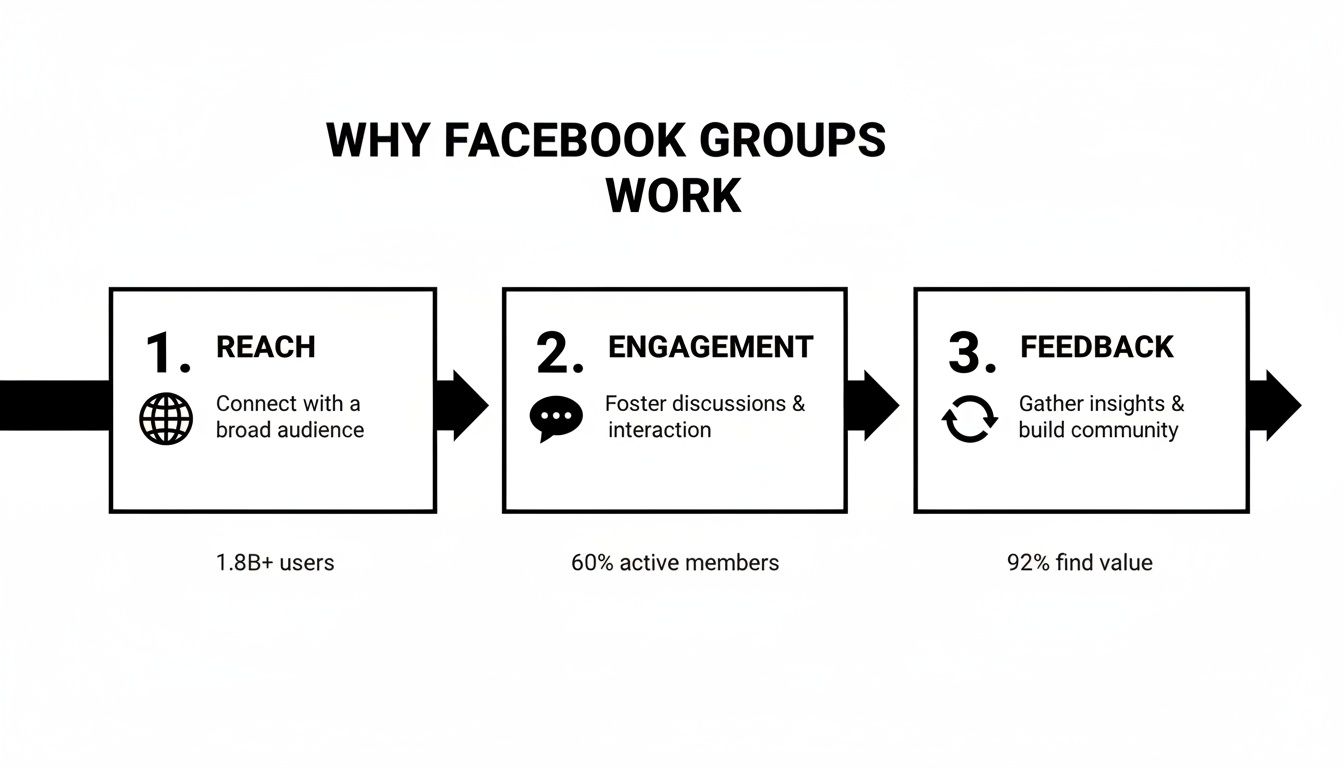
This flow underlines that global reach fuels conversation, which in turn drives insightful and valuable community feedback.
Moderation Workflow Best Practices
Building a positive, focused Facebook Group starts with clear guidelines and a smooth review process. When everyone understands the rules—and knows how to enforce them—you spend less time policing and more time encouraging discussion.
Actionable Insight: Schedule a 15-minute weekly sync with your moderation team via video call to review flagged content examples and refine guidelines.
This section walks you through crafting concise rules, setting up automatic filters, and defining an escalation path for urgent issues. You’ll also get real-world templates for moderator handbooks and decision trees, so your volunteer team can hit the ground running.
Key Components Of An Effective Moderation Workflow
Community Rules That clearly outline member expectations
Auto-Moderation Tools To flag spam, profanity, and unwanted content
Escalation Path For serious or repeated violations
Moderator Handbook Complete with scripts, scenarios, and decision trees
Illustrate each rule with a concrete example—like requiring admin approval for all promotional posts. This cuts down on confusion and questions.
Next, configure keyword filters that suit your group’s tone. Whether you use Facebook’s built-in filters or a third-party bot, you’ll catch most unwanted posts before a human ever sees them.
Setting Up Auto Moderation Tools
A well-tuned automated system frees your team from endless manual reviews. Customize keyword lists based on your community’s topic, and adjust thresholds as conversation evolves.
For example, a fitness group might block phrases such as “supplements sale” or “cheap gear.” That way, moderators only handle posts that truly need a human touch.
“Auto moderation nips up to 80% of spam in the bud, giving your team more time to spark conversation.”
Of course, filters aren’t perfect. Review flagged content daily and refine your keywords as new spam patterns emerge.
Mapping out an escalation path ensures serious issues don’t slip through the cracks. When someone breaks a rule repeatedly, moderators know exactly when to involve admins or pause posting privileges.
Embed a simple decision tree in your handbook. For instance:
First Offense → Friendly Reminder
Second Offense → Temporary Mute
Repeated Violations → Admin Review
Empowering Volunteer Moderators
Volunteer moderators are your group’s champions. A concise training guide helps them apply rules fairly and consistently.
Prepare a one-page handbook that includes:
Group rules with annotated screenshots
A demo of spam flagging using test posts
Flowchart scenarios for common issues
Practical Tip: Host a quarterly virtual workshop to onboard new moderators using scenario-based exercises, boosting confidence and consistency.
Having ready-to-send message scripts for warnings and approvals keeps your group’s tone friendly and uniform.
Feature | Without Workflow | With Workflow |
|---|---|---|
Response Time | Hours to days | Minutes (via auto-flags) |
Rule Clarity | Vague | 100% transparent |
Moderator Confidence | Low | High |
Each week, glance over your group Insights to spot emerging spam trends or rule gaps. This proactive check keeps your workflow sharp.
Key Takeaway Consistent moderation fosters trust and keeps members active over time.
A small tweak: rotate moderator duties each month. Fresh perspectives catch new issues and prevent burnout.
Integrating Automation Platforms
Link your group to tools like NicheTrafficKit to schedule rule reminders and training refreshers automatically.
For example, set up a Zap with Zapier to send a daily digest of flagged posts to your Slack or email for quick review.
Managers overseeing multiple communities can cross-post key moderation tips across all groups, ensuring uniform standards.
With these automated workflows, you spend less time digging through old threads and more time sparking meaningful conversations.
Schedule review alerts
Auto-post moderator reminders
Save cases for training
Engagement And Growth Strategies
Keeping your group active means planning ahead. Sketch out a monthly calendar so you’re never scrambling for content at the last minute.
Actionable Exercise: Launch a 7-day “Introduce Yourself” challenge for new members to break the ice and report participation in your group Insights.
Inject interactive elements to spark genuine conversations. When members feel noticed, they’ll return day after day with fresh insights.
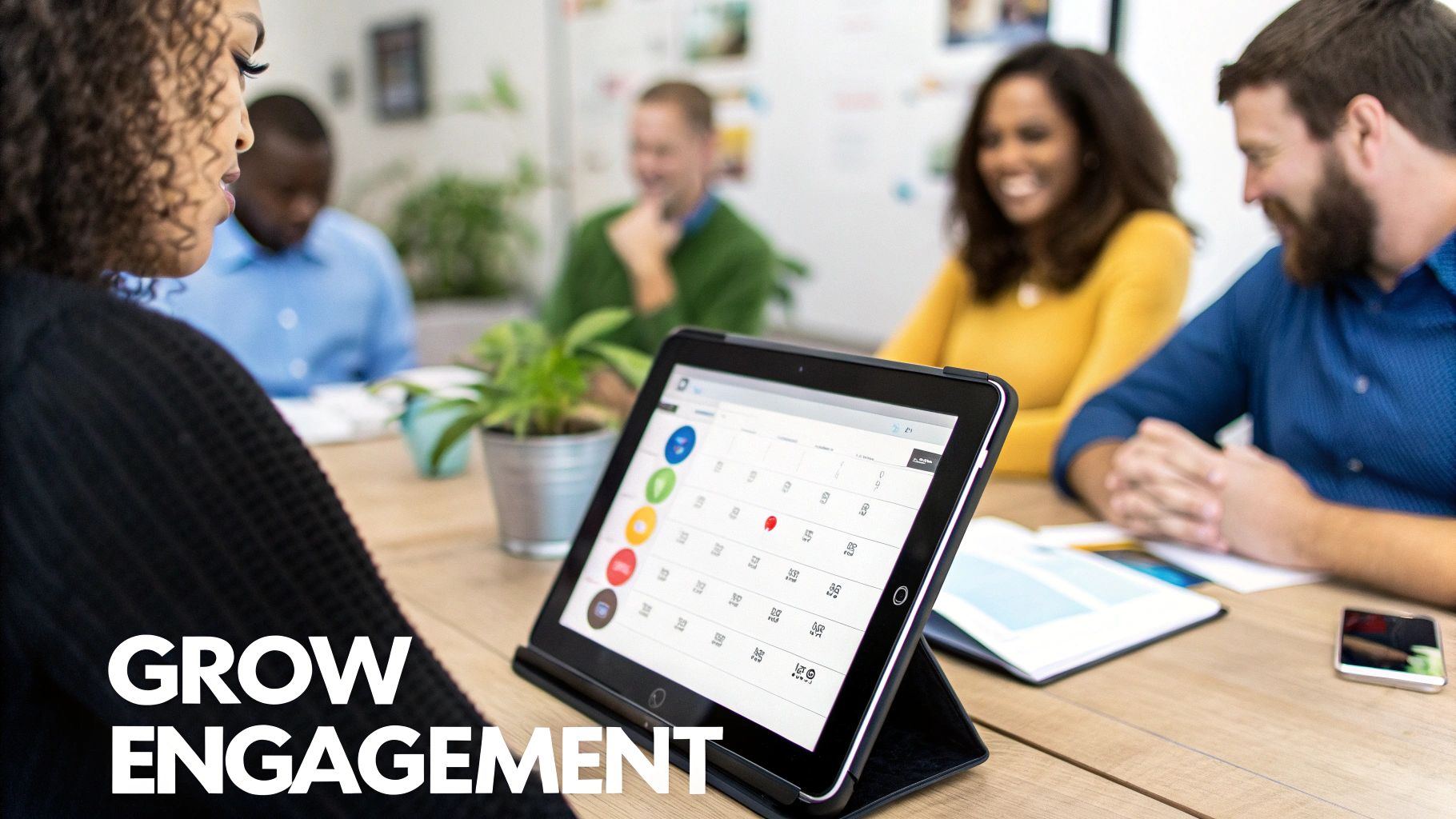
Weekly Themes With Purpose
A rotating schedule gives everyone something to look forward to. Think of “Motivation Monday” where people share one goal for the week.
Cycle through themes over a 4-week span:
Motivation Monday: Members outline their top goal.
Tips Tuesday: Share quick wins or hacks.
Feedback Friday: Invite honest group critiques.
Spotlight Saturday: Shine on one member’s journey.
This framework injects routine without stifling creativity.
Interactive Live Sessions
Live events pull people off the sidelines. Host a 30-minute AMA to tackle burning questions in real time.
Announce sessions two weeks out with polls to choose topics.
Rotate hosts—bring in guest experts or power members.
Clip highlights into short videos for future posts.
Practical Example: The “Digital Marketers Hub” group used Instagram Live to cross-promote a Facebook AMA, doubling live attendance.
Scheduling And Cross Promotion
Posting when your audience is most active drives up reactions. Tools like NicheTrafficKit can queue posts for optimal slots without manual effort.
Cross-post highlights in related groups for extra visibility.
Tag partner pages or influencers when announcing big events.
Experiment with off-peak hours to discover hidden pockets of engagement.
As you juggle different formats, timing matters. Take a look at how these content types behave across peak windows.
Content Formats and Ideal Posting Times
Format | Engagement Rate | Best Time To Post |
|---|---|---|
Text Discussion | 5% | 9 AM Weekday |
Image Post | 8% | 12 PM–2 PM |
Polls | 10% | 6 PM Weekday |
Short Video | 12% | 7 PM–9 PM |
Link Share | 4% | 10 AM Weekend |
Garnering insights from this blend helps you post where it counts.
Leveraging AI For Newsletters
Your top forum threads make perfect newsletter fodder. Pull five standout discussions each week and feed them into AI for concise summaries.
Generate subject lines that lift open rates by around 25%.
Link back to the original posts for deeper dives.
Automate delivery so your list hears about group talk as it unfolds.
Actionable Tip: Use your top five thread highlights to create a biweekly newsletter—automate drafting with AI, then personalize intros for each audience segment.
“Turning group chat into newsletters raised our click-through rate by 15%,” notes a community manager who scaled engagement with this tactic.
Member Spotlight And Events
Shine the spotlight on contributors to reinforce community pride. Each month, interview one standout member—let their story do the talking.
Draft a quick five-question Q&A to capture authentic wins.
Tag them so their network discovers the group.
Encourage the rest of the community to celebrate with reaction emojis.
Example: One wellness group offered a free ebook to event attendees, resulting in a 25% increase in new member referrals.
Quarterly events—think challenges or panel discussions—inject fresh energy without adding daily work.
Looking for more tactics? Check out our deep dive on increasing reach on Facebook.
Tracking And Adjusting Strategies
You won’t know what sticks unless you measure. Scan your group Insights weekly to spot high-performing posts and gaps in your schedule.
Compare theme engagement to see which prompts spark the most replies.
A/B test formats by switching between images, polls, and videos.
Note dips and double down on top performers—small shifts can boost interaction by 15% in days.
Practical Step: Export weekly growth and engagement data into a shared Google Sheet to visualize trends and inform content planning.
Set quarterly targets and benchmark against sister groups you co-admin. Tools like NicheTrafficKit can flag trending topics and suggest times that historically drove 20% higher click rates.
Mastering these engagement tactics turns your Facebook group from a side project into a self-sustaining community engine. Keep planning, posting, analyzing, and refining—and watch your membership thrive.
Monetization and Analytics for Facebook Groups
Building genuine value in your community makes monetization feel natural. When members see clear benefits, paid features become an appreciated upgrade rather than a hard sell.
Monetization Strategies
Sponsored Posts
Invite brands to share content that resonates with your group’s interests. You set the guidelines; they supply the message.Affiliate Offers
Integrate relevant product links and earn commissions on every click or sale. Choose partners who align closely with your group’s focus.Premium Subgroups
Launch a VIP corner packed with exclusive tutorials, behind-the-scenes videos, or early event access. Charge a small subscription fee for high-value perks.Paid Events
Host live workshops, Q&As or mini-courses via Facebook Events. Ticketed entry keeps registration and revenue tracking under one roof.
Actionable Insight: Test a low-priced digital product (e.g., a mini course) in your group with limited slots, monitor sales velocity, and iterate on pricing.
You can also use Facebook Group Units to deliver structured lessons. Simply turn on the Learning tab, build modules that unlock upon purchase, and watch engagement climb.
Handling transactions smoothly is critical. Integrate PayPal or Stripe, spell out fees up front, and document each step in your moderator handbook to keep everyone on the same page.
Tracking Group Performance
Data steers your next move. Within Facebook Insights, you’ll spot trends in growth rate, active members, and post engagement. Third-party tools like Buffer or Sprout Social layer in conversion tracking and cross-group benchmarks.
73% of group admins report higher member retention when they review analytics weekly.
Focus on these key numbers:
Member Growth Rate – Percentage climb in total members over time
Active Member Count – How many people interact with posts in a given period
Post Engagement Rate – Average reactions, comments, and shares per post
Conversion Rate – Share of members upgrading to paid offerings
Practical Step: Export weekly growth and engagement data into a shared Google Sheet to visualize trends and inform content planning.
A cooking community I advise saw a 50% uplift in paid recipe unit sales by reviewing these stats monthly. Tweaking pricing tiers boosted their conversion by 20% in just two quarters.
Interpreting Data To Boost ROI
Use your analytics as a content compass. If video posts spark 12% more interactions, carve out space for daily clips at your peak hour. Run simple A/B tests—compare a morning versus evening live Q&A—and repeat each quarter to catch shifts in member habits.
Example: If polls generate 10% more comments than image posts, schedule two polls per week at peak times to capitalize on member preferences.
Learn more about measuring social media ROI in our article to tie these insights directly to your bottom line. Then automate those reports with Zapier or NicheTrafficKit so you spot dips before they become churn.
When activity flags, launch a quick poll or surprise live session. Consider premium tiers for your most engaged members—early bird tickets, one-on-one check-ins, or exclusive resource packs.
Key Takeaway Consistent measurement and member-first offerings drive sustained growth and profit.
Keep that dashboard handy and treat your metrics like a weekly ritual. With a balanced mix of free value and paid enhancements, your Facebook Group can thrive as both a community hub and revenue engine. Start digging into your data today.
FAQ
Wondering how to set up a Facebook Group that really takes off? These answers come from hands-on experience, backed by real success stories. You’ll find practical tips to guide every move.
Choosing Privacy Settings
Your privacy choice sets the vibe. Public groups pull in new faces fast, while private ones foster honest conversations among people who feel safe.
Hidden groups are perfect when you want an exclusive feel—think paid workshops or a close-knit mastermind. I’ve seen a fitness community double its daily posts after switching from public to private and vetting each member.
Public: Open membership and visible posts for maximum reach.
Private: Content is members-only, encouraging deeper trust.
Hidden: No search results—ideal for VIP circles or premium access.
Try searching a few industry keywords yourself to make sure your group shows up (or doesn’t, if you’re going hidden).
Moderating Content
Spam can derail a community overnight. I once watched filters stop almost every bogus link before it ever hit humans. Whenever you remove a post, send a quick note explaining why. That small touch keeps members feeling respected.
Pin your group rules at the top and schedule a weekly auto-post of guidelines. This simple habit slashes needless warnings and frees moderators to foster real engagement.
“Auto-filters can catch up to 70% of spam before human review.”
Transferring Ownership
Passing the torch doesn’t have to be awkward. Under the Members tab, pick a reliable admin, click the three dots next to their name, and promote them. The switch is instant—no disruption, no downtime.
When our core admin went on parental leave, I handed off ownership in under a minute. The forum ran smoothly the entire time.
Scheduling Posts
The Insights tab is your best friend for timing. I always map out the top three peaks in member activity, then align my posts to land at those exact moments.
Here’s my go-to process:
Track your group’s busiest hours over a week.
Test posting on different days and times for one month.
Automate the highest performers with NicheTrafficKit.
Monitoring these patterns cuts guesswork and keeps engagement steady. Mix in live videos, polls, and member spotlights to touch every corner of your audience. Automation frees you from manual posting and lets AI-generated insights fine-tune your timing as you build more data.
Updating FAQs
An FAQ that’s years old becomes a liability. After any major shift—new rules, layout changes, or fresh features—take five minutes to revise your answers. That way, members always find the latest guidance right where they expect it.
Ready to take the heavy lifting out of posting and nail your engagement windows? Give NicheTrafficKit a try and watch your Facebook Group thrive.